
Embark on a journey where being insured to travel takes center stage, providing a safety net and peace of mind for all your adventures. From unexpected mishaps to planned getaways, travel insurance plays a crucial role in ensuring a worry-free experience.
Delve into the world of travel insurance and discover the different types of coverage, key factors to consider when selecting a plan, and common misconceptions that may influence your decision.
Importance of being insured to travel

Travel insurance is an essential aspect of any trip, providing a safety net in unforeseen circumstances that can arise while traveling. Whether it's a medical emergency, trip cancellation, lost baggage, or any other unexpected event, having travel insurance can make a significant difference in the outcome of your journey.Travel insurance can be a lifesaver in various situations.
For example, if you fall ill or get injured while abroad, medical expenses can quickly add up. Travel insurance can cover these costs, ensuring you receive the necessary treatment without worrying about the financial burden. Additionally, if your flight gets canceled, or your luggage is lost, travel insurance can help reimburse you for the inconvenience.Having travel insurance also brings peace of mind.
Knowing that you are protected in case of any mishaps during your trip allows you to relax and enjoy your travels without constantly worrying about what could go wrong. It provides a sense of security and reassurance, allowing you to focus on creating memorable experiences rather than dealing with potential emergencies.
Examples of how travel insurance can be a lifesaver
- Medical emergencies: Covering hospitalization, emergency medical treatments, and evacuation.
- Trip cancellations: Reimbursing non-refundable expenses in case your trip gets canceled or interrupted.
- Lost baggage: Providing compensation for lost, stolen, or damaged luggage.
Types of travel insurance coverage
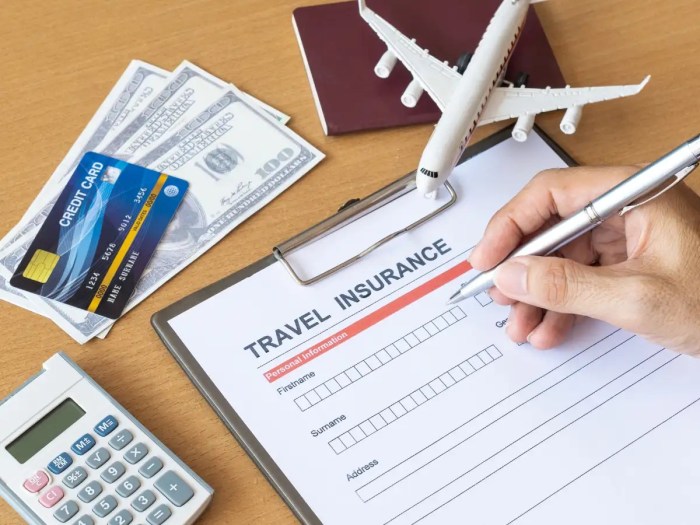
Travel insurance comes in various types to cater to different needs and situations. Understanding the different coverage options can help travelers choose the most suitable plan for their trips.
Medical coverage
Medical coverage is essential for covering any medical expenses incurred during the trip, including emergency medical treatment, hospital stays, and medical evacuation.
Trip cancellation/interruption coverage
This coverage protects travelers in case they need to cancel or cut short their trip due to unforeseen circumstances such as illness, natural disasters, or other emergencies.
Baggage loss/theft coverage
Baggage coverage provides reimbursement for lost, stolen, or damaged luggage during the trip. It also covers essential items needed in case of baggage delay.
Comprehensive travel insurance vs. basic coverage
Comprehensive travel insurance typically includes a combination of medical, trip cancellation/interruption, baggage loss/theft, and other additional benefits. While basic coverage may offer limited protection and lower premiums, comprehensive insurance provides more extensive coverage and peace of mind for travelers.
Factors to consider when selecting travel insurance
When choosing travel insurance, several key factors should be taken into account to ensure the coverage meets your specific needs and circumstances. Factors such as destination, duration of travel, planned activities, age, and any pre-existing medical conditions can significantly impact the type of travel insurance that is most suitable for you.
Destination
The destination of your trip plays a crucial role in determining the type of travel insurance you require. Some regions may have higher healthcare costs or greater risks of theft or natural disasters, making comprehensive coverage essential.
Duration
The length of your trip is another important factor to consider when selecting travel insurance. Longer trips may require extended coverage for medical emergencies, trip cancellations, or delays.
Activities
The activities you plan to engage in during your trip should also influence your choice of travel insurance. If you are participating in adventure sports or other high-risk activities, you may need specialized coverage to protect against potential injuries.
Age
Age can impact the cost and coverage of travel insurance policies. Older travelers may require additional medical coverage or have limitations on coverage for pre-existing conditions.
Pre-existing Conditions
If you have any pre-existing medical conditions, it is crucial to disclose this information when purchasing travel insurance. Some policies may exclude coverage related to pre-existing conditions, while others may offer additional coverage for specific medical needs.By considering these factors and assessing your individual needs, you can determine the right level of coverage for your travels, ensuring you are adequately protected in case of unforeseen events during your trip.
Common misconceptions about travel insurance
Travel insurance is often misunderstood and sometimes overlooked by travelers due to several misconceptions. Let's debunk some of the myths and explain why having travel insurance is crucial for any trip.
Travel insurance is unnecessary if you’re healthy
Many travelers believe that if they are in good health, they don't need travel insurance. However, unforeseen events like accidents or sudden illnesses can happen to anyone, regardless of their health status. Having travel insurance provides peace of mind and financial protection in case of emergencies.
My credit card already covers me
While some credit cards offer limited travel insurance benefits, they may not provide comprehensive coverage. It's essential to review the terms and conditions of your credit card's insurance policy to understand what is included and any limitations. Standalone travel insurance plans often offer more extensive coverage tailored to your specific travel needs.
I’m only traveling domestically, so I don’t need travel insurance
Even when traveling within your own country, unexpected events like trip cancellations, lost luggage, or medical emergencies can still occur. Travel insurance can help cover these unforeseen circumstances and minimize financial losses.
Travel insurance is too expensive
Some travelers avoid purchasing travel insurance because they perceive it as an additional cost. However, the benefits of having travel insurance far outweigh the upfront expense. In the long run, travel insurance can save you money by protecting you from costly emergencies or trip disruptions.
Examples of regret from not having travel insurance
There are numerous real-life examples of travelers who regretted not having travel insurance. From canceled trips due to unforeseen circumstances to medical emergencies abroad resulting in high medical bills, these situations emphasize the importance of being adequately insured while traveling.
End of Discussion
As we wrap up our discussion on the importance of being insured to travel, remember that preparation is key to a successful trip. Whether you're exploring new destinations or revisiting familiar ones, having the right insurance coverage can make all the difference.
Stay safe, stay insured, and enjoy your travels to the fullest.
FAQ Summary
What does travel insurance cover?
Travel insurance typically covers medical emergencies, trip cancellations, baggage loss, and other unforeseen events depending on the plan.
Is travel insurance really necessary?
Yes, travel insurance is essential as it provides financial protection and assistance in case of emergencies while traveling.
How do pre-existing conditions affect travel insurance?
Pre-existing conditions may impact the coverage options and premiums of travel insurance plans, so it's important to disclose them when purchasing a policy.
Can I buy travel insurance for a specific activity?
Yes, you can purchase specialized travel insurance for activities like extreme sports or adventure travel to ensure you are covered in case of any mishaps.