
Embarking on a journey can be exhilarating, but it's crucial to safeguard your adventures with the right protection. In this comprehensive guide to insure travel insurance, we delve into the significance of this safety net, explore various coverage options, and provide valuable insights on making informed decisions for your travels.
As we navigate through the intricacies of travel insurance, you'll gain a deeper understanding of its importance and how it can offer peace of mind during your explorations.
Importance of Travel Insurance

Travel insurance is a crucial investment for anyone planning a trip, whether it's a short weekend getaway or a long international vacation. It provides financial protection and peace of mind in case unexpected events occur during your travels.
Protection Against Medical Emergencies
- Travel insurance covers medical expenses in case you get injured or fall ill during your trip. This is especially important when traveling to countries with high healthcare costs.
- Without insurance, you may end up with exorbitant bills that can put a strain on your finances.
Coverage for Trip Cancellation or Interruption
- If your trip gets canceled or interrupted due to unforeseen circumstances like a natural disaster or sudden illness, travel insurance can help reimburse you for the non-refundable costs.
- Without insurance, you risk losing all the money you've invested in your trip.
Lost or Delayed Baggage Protection
- Travel insurance provides coverage for lost, stolen, or delayed baggage, ensuring you have essential items while waiting for your belongings to be located.
- Without insurance, you may have to bear the cost of replacing your belongings or deal with the inconvenience of being without your essentials.
Risks of Traveling Without Insurance
- Without travel insurance, you are vulnerable to financial loss in case of emergencies, leading to unexpected expenses that can disrupt your travel plans.
- Medical emergencies abroad can result in substantial medical bills that you may struggle to pay without insurance coverage.
Types of Coverage Offered
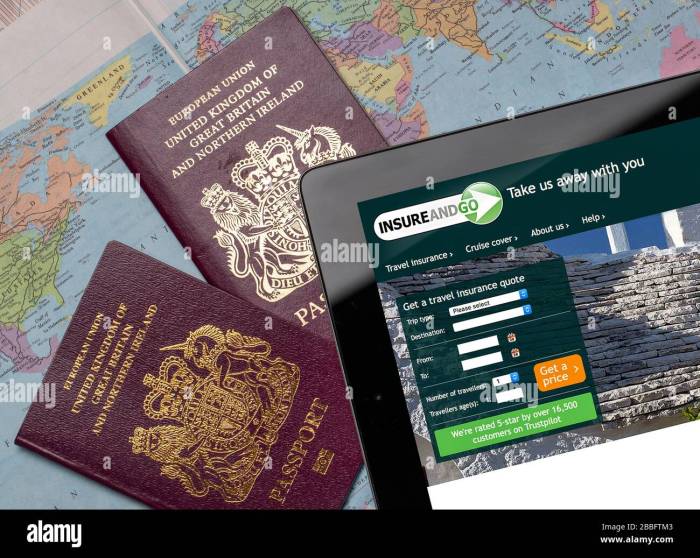
Travel insurance policies typically offer a range of coverage options to protect travelers from unexpected events. These coverage options can vary widely, from basic to comprehensive, depending on the policy and provider.
Basic Coverage vs. Comprehensive Coverage
Basic coverage in travel insurance usually includes benefits such as trip cancellation, trip interruption, and baggage loss. It provides essential protection for common travel mishaps, but may have lower coverage limits and fewer optional add-ons compared to comprehensive coverage.On the other hand, comprehensive coverage offers a wider range of benefits, including emergency medical coverage, emergency medical evacuation, and coverage for pre-existing conditions.
It provides more extensive protection for travelers and is often recommended for international trips or travelers with specific needs.
Medical Emergencies vs. Trip Cancellations Coverage
Coverage for medical emergencies in travel insurance policies typically includes expenses related to unexpected illnesses or injuries during a trip. This can include doctor visits, hospital stays, and emergency medical transportation.In contrast, coverage for trip cancellations protects travelers in case they need to cancel or interrupt their trip due to unforeseen events such as illness, injury, or severe weather.
This coverage can reimburse non-refundable expenses like airfare, hotel bookings, and tour costs.Overall, understanding the differences between basic and comprehensive coverage, as well as the specific coverage for medical emergencies versus trip cancellations, can help travelers choose the right travel insurance policy to meet their individual needs and provide peace of mind during their journeys.
Factors to Consider When Choosing Travel Insurance
When selecting a travel insurance plan, there are several key factors that individuals should take into consideration to ensure they have adequate coverage for their specific needs.
Destination
When choosing travel insurance, it is essential to consider the destination you will be traveling to. Some countries may have higher healthcare costs or increased risk of natural disasters, which could impact the type of coverage you need.
Duration of Travel
The duration of your trip is another crucial factor to consider when selecting travel insurance. Longer trips may require more comprehensive coverage, while shorter trips may only necessitate basic protection. Be sure to choose a policy that aligns with the length of your travel plans.
Activities
The activities you plan to engage in during your trip can also impact your insurance needs. If you will be participating in high-risk activities such as skiing or scuba diving, you may need to add on additional coverage to ensure you are protected in case of an accident.
Customizing Your Policy
To customize your travel insurance policy based on your specific needs, it is advisable to carefully review the coverage options offered by insurance providers. Consider adding on extra coverage for valuable belongings, trip cancellations, or medical emergencies based on your individual requirements.
Claim Process and Coverage Limitations
When it comes to filing a claim with a travel insurance provider, there are specific steps that need to be followed to ensure a smooth process. It is essential to understand the common exclusions and limitations in travel insurance policies to avoid any surprises when making a claim.
Let's explore these aspects further.
Claim Process with a Travel Insurance Provider
- Notify the insurance provider immediately: In case of an emergency or travel disruption, contact your insurance provider as soon as possible to inform them of the situation.
- Submit required documentation: The insurance company will require specific documents to process your claim, such as police reports, medical records, or receipts.
- Follow the claims process: Each insurance provider has a specific claims process that needs to be followed diligently to ensure a successful claim.
- Wait for claim approval: Once you have submitted all the necessary documentation, the insurance company will review your claim and make a decision regarding coverage.
Coverage Limitations and Exclusions
- Pre-existing medical conditions: Most travel insurance policies do not cover pre-existing medical conditions unless specified in the policy.
- High-risk activities: Engaging in high-risk activities such as extreme sports may not be covered under standard travel insurance policies.
- Travel advisories: If you travel to a destination with a government-issued travel advisory, your insurance coverage may be affected.
Final Wrap-Up
From understanding the nuances of coverage to navigating the claim process, insure travel insurance equips you with the tools to travel confidently and securely. Remember, a well-chosen policy can make all the difference in ensuring your journeys are memorable for all the right reasons.
Expert Answers
Is travel insurance necessary for domestic trips?
While travel insurance is typically associated with international travel, it can also provide valuable coverage for unforeseen events during domestic trips, such as trip cancellations or medical emergencies. It's always wise to consider your individual needs and assess the risks involved in your travels.
Can I purchase travel insurance after booking my trip?
Yes, you can usually purchase travel insurance after booking your trip, but it's advisable to do so as early as possible to maximize coverage, especially for situations like trip cancellations due to unforeseen circumstances. Be sure to check the policy details for any specific requirements or limitations.
Does travel insurance cover adventure activities like skydiving or scuba diving?
Coverage for adventure activities can vary among insurance providers, so it's essential to check the policy details to ensure your specific activities are included. Some insurers offer optional add-ons for high-risk activities, while others may have exclusions or limitations for certain adventurous pursuits.
What is the difference between trip cancellation and trip interruption coverage?
Trip cancellation coverage typically reimburses you for prepaid and non-refundable trip expenses if you need to cancel before your trip begins, while trip interruption coverage helps cover costs if your trip is interrupted after it has started. Understanding these distinctions can help you choose the right coverage for your travel needs.