
Embark on a journey through the world of architectural rendering services, where creativity meets functionality to bring architectural projects to life. From 2D renderings to virtual tours, discover how these services revolutionize the way we visualize and interact with architectural designs.
Delve deeper into the realm of architectural rendering services to uncover the tools, processes, and impacts that shape the modern construction industry.
Importance of Architectural Rendering Services
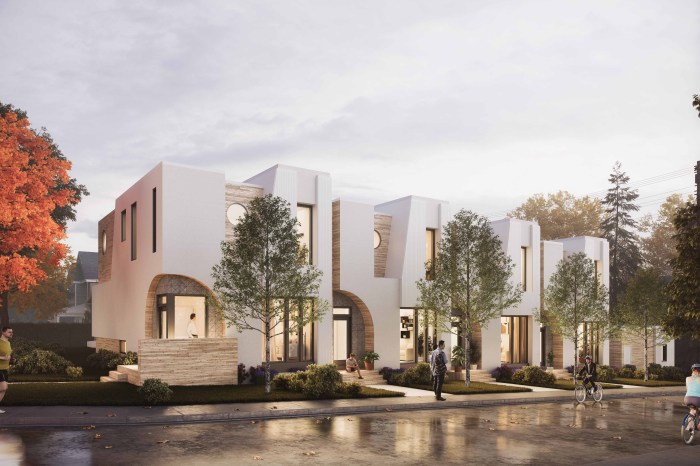
Architectural rendering services play a crucial role in the construction industry by providing realistic visualizations of architectural projects before they are built. These services offer numerous benefits to architects, designers, and clients alike.
Enhanced Visualization
Architectural rendering services enhance the visualization of architectural projects by creating detailed 3D models that accurately represent the final design. These realistic renderings allow stakeholders to see the project from different angles, understand spatial relationships, and visualize the materials and finishes.
Informed Decision-Making
By using architectural rendering services, clients can make informed decisions about their projects. They can see how the design will look in real life, make changes before construction begins, and ensure that the final result aligns with their vision. This helps prevent costly mistakes and ensures client satisfaction.
Types of Architectural Rendering Services
Architectural rendering services encompass a variety of options to visualize and present architectural designs. These services play a crucial role in communicating the vision of a project to clients, stakeholders, and the general public.
2D Renderings
2D renderings are flat images that provide a detailed representation of a design from a specific perspective. These renderings are commonly used in the initial stages of a project to showcase floor plans, elevations, and other design details. They are ideal for presenting basic design concepts and layouts.
3D Renderings
3D renderings bring designs to life by adding depth, texture, and realistic lighting effects. They offer a more immersive and detailed representation of the project, allowing viewers to experience the design as if it were already built. 3D renderings are valuable for presenting architectural designs in a realistic and engaging manner.
Virtual Tours
Virtual tours use 3D models to create interactive experiences that allow users to navigate through a space virtually. This type of rendering service provides a comprehensive view of the design, enabling clients to explore the project from different angles and perspectives.
Virtual tours are particularly useful for showcasing interior designs and highlighting key features of a building.
Comparing and Contrasting
- 2D renderings are more cost-effective and easier to produce compared to 3D renderings, but they lack the depth and realism of 3D renderings.
- 3D renderings offer a more detailed and immersive visualization of the design, making them ideal for presentations and marketing materials.
- Virtual tours provide a dynamic and interactive way to showcase a design, allowing clients to explore the space as if they were physically present.
Examples of Effective Use
In a residential project, 2D renderings may be used to present the initial floor plans and layout concepts to the client. As the design progresses, 3D renderings can then be created to provide a more realistic representation of the final design.
Once the project is nearing completion, a virtual tour can be developed to give clients a comprehensive view of the interior spaces and overall ambiance of the building.
Tools and Software for Architectural Rendering
In the field of architectural rendering, architects utilize a variety of tools and software to bring their designs to life in a realistic and visually appealing way. These tools and software have evolved over time, offering advanced features and capabilities that enhance the rendering process.
Popular Tools and Software
- AutoCAD: AutoCAD is a widely used software in the architectural industry for creating 2D and 3D designs. It provides a solid foundation for architectural rendering.
- SketchUp: SketchUp is known for its user-friendly interface and is popular among architects for creating quick 3D models that can be easily rendered.
- Revit: Revit is a powerful BIM (Building Information Modeling) software that allows architects to create detailed 3D models that can be rendered with high accuracy.
- 3ds Max: 3ds Max is a comprehensive software for 3D modeling, animation, and rendering, offering advanced tools for creating realistic architectural visualizations.
Features of Key Software Programs
| Software | Key Features |
|---|---|
| AutoCAD | - Precise drawing tools- Extensive library of objects- Integration with rendering software |
| SketchUp | - Intuitive interface- Easy-to-use modeling tools- Compatibility with various rendering plugins |
| Revit | - Parametric modeling capabilities- Collaborative work environment- BIM integration for accurate renderings |
| 3ds Max | - Advanced rendering options- Animation tools- Support for complex textures and materials |
Impact of Technological Advancements
Advancements in technology have revolutionized the tools and software available for architectural rendering services. The introduction of real-time rendering, virtual reality (VR), and augmented reality (AR) technologies have significantly enhanced the visualization of architectural designs. Architects now have access to more sophisticated tools that provide faster rendering times, higher quality images, and interactive experiences for clients.
These advancements have streamlined the rendering process and enabled architects to present their designs in a more immersive and engaging manner.
Process of Architectural Rendering
Creating architectural renderings involves a detailed step-by-step process that transforms initial concepts into stunning visual representations. Throughout this process, factors such as lighting, textures, and details play a crucial role in enhancing the realism and appeal of the final renderings.
Additionally, optimizing the rendering process is essential to achieve high-quality results that meet the client's expectations and project requirements.
Step-by-Step Process
- Concept Development: The initial stage involves understanding the client's vision, gathering reference materials, and creating a basic concept for the rendering.
- Modeling: Creating a 3D model of the architectural design using specialized software to establish the structure and layout.
- Texturing: Adding realistic textures to surfaces such as wood, metal, glass, and concrete to enhance the visual appeal.
- Lighting Setup: Implementing appropriate lighting techniques to create shadows, highlights, and ambiance within the rendering.
- Rendering: Processing the 3D model with textures and lighting to generate the final high-resolution image or animation.
- Post-Production: Fine-tuning the rendering with editing software to adjust colors, contrast, and other visual elements for a polished finish.
Role of Lighting, Textures, and Details
- Lighting: Proper lighting enhances the mood, depth, and realism of the rendering by creating shadows, reflections, and highlights.
- Textures: Adding realistic textures to surfaces adds depth, dimension, and tactile quality to the rendering, making it more visually appealing.
- Details: Incorporating intricate details such as furniture, landscaping, and decor elements enriches the overall visual experience and adds a sense of realism to the rendering.
Tips for Optimization
- Use High-Quality Textures: Utilize high-resolution textures to enhance the realism of materials and surfaces within the rendering.
- Focus on Lighting: Experiment with different lighting setups to achieve the desired ambiance and mood for the project.
- Utilize Render Farms: Consider using render farms to speed up the rendering process and handle complex scenes efficiently.
- Post-Processing Techniques: Learn post-production editing techniques to refine the final rendering and make necessary adjustments for a polished result.
Epilogue
As we conclude our exploration of architectural rendering services, we reflect on the transformative power they hold in shaping the future of architectural design. From illuminating concepts to optimizing the rendering process, these services pave the way for a new era of creativity and innovation in construction projects.
FAQ Overview
What are the benefits of using 3D renderings in architectural projects?
3D renderings provide a realistic representation of the final design, helping clients visualize the project before construction begins.
How can lighting impact the quality of architectural renderings?
Proper lighting can enhance the mood and realism of renderings, making them more appealing and accurate.
What role do textures play in architectural rendering services?
Textures add depth and detail to renderings, creating a more lifelike and immersive experience for viewers.







![Milwaukee Siding Contractors [#1 Rated Online] - Vinyl, Wood, Metal ...](https://digilife.bandungnews.id/wp-content/uploads/2026/02/major-siding-installation-in-lower-east-side-milwaukee-120x86.jpg)

![Milwaukee Siding Contractors [#1 Rated Online] - Vinyl, Wood, Metal ...](https://digilife.bandungnews.id/wp-content/uploads/2026/02/major-siding-installation-in-lower-east-side-milwaukee-350x250.jpg)